

So, if you’re searching for ways to sober up quick, you’re probably looking for a solution. Perhaps you’ve had a few drinks. Possibly you’re planning on driving. Possibly you’re wondering about DUI checkpoints near me and whether they’re going to interfere with your route home.
Well, I’m going to give you the straightforward answer right away. There is no way to sober up quick.
But there are smart things you can do to decrease your risk and protect yourself from legal repercussions.
After 30 years of defending people in Sacramento, the Bay Area, and Northern California against DUI arrests under California DUI laws 2026, I’ve seen how myths about sobering up lead to DUI arrests.
The Science of Metabolism: The Hard Truth
Time Is the Only True Sobering Mechanism
Alcohol leaves your body because your liver metabolizes it.
The average metabolic rate is:
0.015% BAC per hour
That means:
-
0.08% BAC = roughly 5–6 hours to reach zero
-
0.12% BAC = 8+ hours
-
0.16% BAC = 10+ hours
Nothing speeds this up.
Not:
-
Coffee
-
Cold showers
-
Energy drinks
-
Exercise
-
Sweating
Your liver processes alcohol at a fixed biological rate. You cannot accelerate it.
So… Is There ANY Way to Sober Up Faster?
Here’s the practical answer: You cannot speed up the reduction in your BAC.
But you can reduce the amount of ongoing impairment and improve your clarity a little faster.
Think of it as damage control — not reversal.
Immediate Steps After Drinking (Damage Control Mode)
If you’ve already been drinking and want to “sober up,” do the following immediately:
1. Stop Drinking Immediately
This sounds obvious, but many people continue sipping while trying to “level out.”
Alcohol absorbs over 30–90 minutes. If you stop now, you prevent further BAC increase.
2. Hydrate Aggressively
Alcohol dehydrates you, which worsens symptoms.
Drink:
-
Water
-
Electrolyte drinks
-
Coconut water
Hydration helps your body function better, but it does NOT lower BAC.
3. Eat the Right Foods
If you drink on an empty stomach, alcohol absorbs faster.
After drinking, eat:
-
Eggs (contain cysteine, which helps break down acetaldehyde)
-
Bananas (restore potassium)
-
Whole grains
-
Lean protein
Legal warning: Eating after intoxication does not lower your current BAC. It only slows additional absorption.
4. Rest — Don’t “Push Through”
Fatigue amplifies impairment.
Trying to power through with caffeine creates what I call a “wide-awake drunk.”
You feel alert.
Your reaction time remains impaired.
That combination is dangerous — and I’ve seen it result in arrests at DUI checkpoints near me throughout Sacramento.
How to Sober Up Before Bed
If you’ve been drinking and you’re about to go to sleep, your goal should not be “instant sobriety.” That isn’t possible. Instead, the goal is to:
-
Stop further alcohol absorption
-
Reduce dehydration
-
Minimize hangover severity
-
Allow safe metabolism overnight
Here’s what actually helps:
1. Stop Drinking Immediately
Alcohol continues to absorb into your bloodstream for 30–90 minutes after your last drink. The sooner you stop, the sooner your BAC will peak and begin to decline.
Continuing to “sip slowly” before bed delays the process.
2. Drink Water (But Don’t Overdo It)
Alcohol is a diuretic, meaning it increases urine production and causes dehydration.
Before bed:
-
Drink 1–2 glasses of water
-
Consider an electrolyte solution
Hydration helps reduce headache and fatigue the next day.
Important: Water does not lower BAC. It only supports your body’s recovery process.
3. Eat a Small, Balanced Snack
If you haven’t eaten, a light snack can help stabilize blood sugar levels overnight.
Good choices:
-
Eggs (contain cysteine, which helps break down acetaldehyde — a toxic alcohol byproduct)
-
Whole-grain toast
-
Banana (potassium)
-
Yogurt
Avoid greasy, heavy meals late at night, as they may worsen nausea or reflux.
Again, eating does not lower your existing BAC — it may only slow any remaining absorption.
4. Avoid Mixing Substances
Do not take sleeping pills or sedatives after drinking. Alcohol combined with sedatives can dangerously suppress breathing.
If you’re on prescription medications, alcohol interactions can increase risk.
5. Sleep — But Understand the Limits
Sleeping does not accelerate alcohol metabolism.
Your liver eliminates alcohol at approximately 0.015% BAC per hour, whether you are awake or asleep.
However, sleep allows your body to recover and reduces fatigue-related impairment.
Safety Reminder Before Bed
If you plan to drive in the morning, calculate honestly:
-
How much did you drink?
-
When was your last drink?
Many DUI arrests happen the next morning because drivers assume they are sober after sleeping.
Time, not sleep, reduces BAC.
How to Sober Up in the Morning
Waking up feeling “fine” does not guarantee your BAC is zero.
Let’s break down what is realistic and what actually helps.
1. Understand Overnight Metabolism
Example:
If you stopped drinking at midnight with a BAC of 0.12%, and your body metabolizes alcohol at 0.015% per hour:
-
1 AM: 0.105%
-
2 AM: 0.09%
-
3 AM: 0.075%
-
4 AM: 0.06%
-
5 AM: 0.045%
-
6 AM: 0.03%
-
7 AM: 0.015%
-
8 AM: ~0.00%
This is an estimate. Individual rates vary.
You could still be over 0.08% early in the morning depending on how much you consumed.
2. Hydrate First Thing
Drink:
-
Water
-
Electrolytes
-
Clear fluids
Hydration improves symptoms like headache and dizziness but does not reduce remaining BAC.
3. Eat a Balanced Breakfast
Morning food can help stabilize blood sugar and reduce nausea.
Helpful options:
-
Eggs
-
Oatmeal
-
Whole grains
-
Fruit
-
Lean protein
Low blood sugar contributes to hangover symptoms. Restoring it improves how you feel — not necessarily your BAC.
4. Avoid “Hair of the Dog”
Drinking more alcohol in the morning may temporarily reduce hangover symptoms by delaying withdrawal effects.
However:
-
It raises your BAC again
-
It delays sobriety
-
It increases risk of DUI
This is not sobering up. It is postponing the problem.
5. Coffee in the Morning
Caffeine can reduce drowsiness but does not improve coordination, reaction time, or judgment.
You may feel awake while still impaired.
This is one of the most common causes of morning DUI stops.
6. Can You Still Be Legally Impaired in the Morning?
Yes.
In California:
-
The legal limit for most drivers is 0.08%
-
You can be charged below 0.08% if impaired
Morning-after DUIs are common after:
-
Weddings
-
Parties
-
Sporting events
-
Holiday gatherings
Drivers often underestimate how long alcohol remains in their system.
The Honest Answer
If you’re asking how to sober up before bed or in the morning, the real solution is:
-
Stop drinking early
-
Hydrate
-
Eat
-
Sleep
-
Allow sufficient time
There is no instant fix.
Your liver operates on biology, not willpower.
The safest rule is simple:
If you are unsure whether you are sober — do not drive.
The Cold Shower & Coffee Myth
Coffee stimulates your brain.
Cold showers shock your nervous system.
Neither reduces alcohol concentration in your bloodstream.
What they create is:
False confidence.
In court, the officer’s testimony and chemical test results matter — not how alert you felt.
Sobering Up from Cannabis: Even Less Predictable
With the rise of the “California sober” trend, more drivers assume marijuana is easier to manage.
It isn’t.
Alcohol is water-soluble and metabolizes at a somewhat predictable rate.
THC is fat-soluble.
It:
-
Stores in fat tissue
-
Releases unpredictably
-
Lacks a clear elimination curve
There is no reliable roadside number equivalent to 0.08%.
Officers rely on:
-
Driving behavior
-
Physical signs
-
Field sobriety test accuracy
-
Blood testing
Trying to “burn off” cannabis impairment quickly is unreliable and legally risky.
The Prevention Strategy: The Only Real Control
If you truly want to avoid a DUI, the solution begins before you drink.
Eat Before You Drink
Focus on:
-
Salmon
-
Avocado
-
Greek yogurt
-
Nuts
-
Eggs
High protein and healthy fats slow gastric emptying and alcohol absorption.
This does not make you immune to DUI.
It simply reduces rapid spikes.
Pace Yourself
-
One standard drink per hour (maximum)
-
Alternate with water
-
Track your intake honestly
Remember, metabolism continues even after you stop drinking — but it cannot be rushed.
DUI Checkpoints
DUI checkpoints operate under California Vehicle Code 2814.2.
They must follow strict legal guidelines:
-
Neutral selection criteria
-
Supervisory oversight
-
Safety measures
Can You Legally Avoid a Checkpoint?
Yes — if you make a legal turn.
Turning away lawfully is not illegal.
Making an illegal U-turn can create probable cause.
Probable Cause, FSTs, and the PAS Test
If stopped, officers look for:
-
Odor of alcohol
-
Slurred speech
-
Bloodshot eyes
-
Admission of drinking
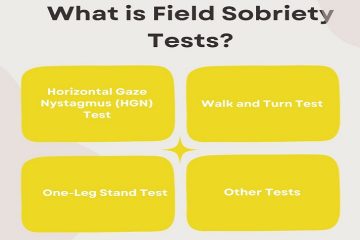
They may ask you to perform Field Sobriety Tests.
In California, these are voluntary.
Field sobriety test accuracy is affected by:
-
Anxiety
-
Uneven pavement
-
Medical conditions
-
Fatigue
You may also be offered a PAS (Preliminary Alcohol Screening) test.
For drivers 21+ not on probation:
-
The PAS is typically voluntary.
After arrest, however, Implied Consent laws require a chemical test. Refusal carries severe consequences.
Why “I Feel Fine” Leads to Arrest
Most DUI arrests I defend share one common phrase:
“I felt okay to drive.”
Impairment begins before 0.08%.
Judgment declines before coordination does.
Under California DUI laws 2026, prosecutors can charge you even below 0.08% if impairment is proven.
What Actually Works If You’ve Been Drinking?
Here’s the honest solution:
-
Stop drinking
-
Hydrate
-
Eat
-
Wait
-
Do not drive
That’s it.
There is no detox trick.
No supplement.
No hack.
Only time.
A Word About BAC Calculators
Online charts estimating “time to sober” are based on averages.
Legal Disclaimer: These are estimates only and not legal or medical advice. Individual metabolism varies significantly.
Never rely on an app to decide whether you are safe to drive.
If You’re Searching This Because You’re About to Drive
Let me speak plainly.
If you’re looking up how to sober up fast because you’re considering driving tonight — the safest solution is:
-
Call a rideshare
-
Call a friend
-
Stay where you are
As a Sacramento DUI attorney serving Northern California, I can tell you the cost of a DUI — financially and personally — far exceeds the cost of a ride home.
FAQs
1. Can you sober up fast?
No. There is no way to instantly sober up. The body lowers Blood Alcohol Concentration (BAC) only through liver metabolism over time.
2. What is the only true way to lower BAC?
Time. The liver metabolizes alcohol at an average rate of approximately 0.015% BAC per hour.
3. Does coffee sober you up?
No. Coffee may make you feel more alert, but it does not reduce BAC or impairment.
4. Do cold showers help you sober up?
No. Cold showers may increase alertness but do not change alcohol concentration in your bloodstream.
5. Can exercise speed up alcohol metabolism?
No. Sweating or working out does not significantly reduce BAC.
6. Does drinking water lower BAC?
No. Water helps with dehydration but does not reduce the amount of alcohol in your blood.
7. How long does it take to reach zero BAC?
It depends on how much alcohol was consumed. At an average elimination rate of 0.015% per hour:
-
0.08% BAC takes about 5–6 hours
-
0.12% BAC takes about 8 hours or more
Individual rates vary.
8. Can eating food sober you up?
Food does not lower existing BAC. It can slow further alcohol absorption if alcohol is still in the stomach.
9. Is it better to eat before drinking?
Yes. Eating high-protein and high-fat foods before drinking slows alcohol absorption.
10. What foods help before drinking?
Protein and healthy fats such as eggs, salmon, nuts, avocado, and Greek yogurt help slow absorption.
11. What should you eat after drinking?
Hydrating foods and nutrients such as:
-
Water and electrolytes
-
Bananas (potassium)
-
Eggs (contain cysteine, which helps break down acetaldehyde)
These help recovery symptoms but do not lower BAC faster.
12. Can vomiting sober you up?
Vomiting may remove alcohol from the stomach if done shortly after drinking, but once alcohol is absorbed into the bloodstream, vomiting does not reduce BAC.
13. Does sleeping sober you up faster?
No. BAC decreases at the same metabolic rate whether you are awake or asleep.
14. Can energy drinks cancel out alcohol?
No. Mixing caffeine with alcohol may increase alertness but does not reduce impairment or BAC.
15. Does taking a walk help?
No. Light activity does not accelerate liver metabolism.
16. Can certain supplements speed up sobriety?
There is no scientific evidence that over-the-counter supplements significantly accelerate alcohol elimination.
17. Is there a medication that instantly sobers you up?
No approved medication instantly eliminates alcohol from the bloodstream.
18. How does body weight affect sobriety time?
Heavier individuals may have a lower BAC after the same number of drinks due to greater body water volume, but elimination rate remains similar.
19. Does gender affect alcohol metabolism?
Yes. On average, females may reach higher BAC levels than males after consuming the same amount of alcohol due to differences in body composition and enzyme levels.
20. Can you feel sober but still be over the legal limit?
Yes. Subjective feelings of sobriety do not reliably indicate BAC level.
21. What is the legal BAC limit in California?
For most drivers 21 and older, the legal limit is 0.08% BAC. Lower limits apply for commercial drivers and drivers under 21.
22. Can you get a DUI below 0.08% in California?
Yes. You can be charged if you are impaired to the extent that you cannot drive safely, even below 0.08%.
23. How long after drinking should you wait before driving?
There is no universal answer. You must allow enough time for your BAC to drop below legal and impairment levels, based on how much you consumed.
24. Does alternating alcohol with water prevent intoxication?
It may slow consumption and reduce dehydration, but it does not prevent intoxication.
25. Does drinking slowly prevent getting drunk?
Slower drinking reduces the rate at which BAC rises but does not eliminate intoxication if total alcohol intake is high.
26. Is “California sober” safer for driving?
Cannabis impairment can affect reaction time, coordination, and judgment. There is no reliable way to quickly eliminate THC impairment.
27. How long does marijuana impairment last?
Effects typically peak within 30 minutes to 2 hours (when inhaled) and may last several hours. Residual impairment may persist longer depending on dose and individual factors.
28. Can hydration cure a hangover?
Hydration can reduce hangover symptoms caused by dehydration but does not eliminate alcohol already metabolized or reduce prior impairment.
29. Are online BAC calculators accurate?
They provide estimates based on averages. Individual metabolism, body composition, and drinking patterns vary widely.
30. What is the safest way to avoid a DUI?
The safest option is:
-
Do not drive after drinking
-
Use a rideshare
-
Designate a sober driver
-
Wait sufficient time for full sobriety
Time is the only scientifically proven method to eliminate alcohol from your bloodstream.
Final Takeaway
You cannot accelerate your liver.
You cannot sweat out alcohol.
You cannot coffee away impairment.
You cannot predict THC burn-off.
Sobriety myths are responsible for countless arrests at DUI checkpoints near me across Sacramento and the Bay Area.
The only reliable way to sober up fast is:
Stop drinking and give your body time.
That’s not the answer most people want.
But it’s the truth — medically, scientifically, and legally.